
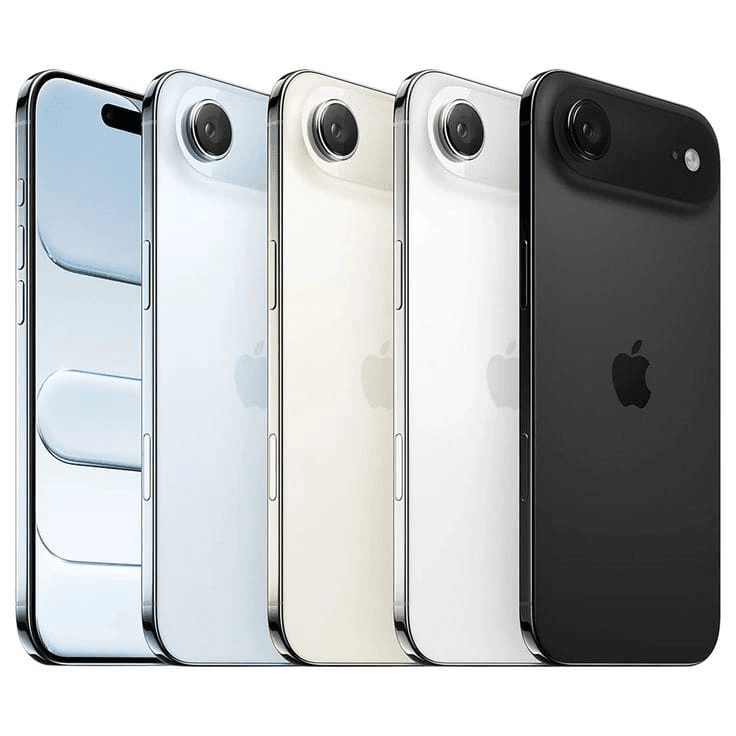
Apple iPhone Air 2026: The Revolutionary Thinnest iPhone Ever Reviewed
Apple introduced the iPhone Air in September 2025 as a groundbreaking addition to the iPhone 17 lineup. Positioned as a premium yet distinct model, the iPhone Air stands out as the thinnest iPhone ever made, measuring just 5.6mm thick while delivering pro-level performance. It perfectly balances elegance, power, and portability.
This comprehensive guide covers everything about the iPhone Air — design, specifications, performance, camera, battery, pros & cons, and how it compares to other 2026 iPhones.
Why Apple Created the Phone Air
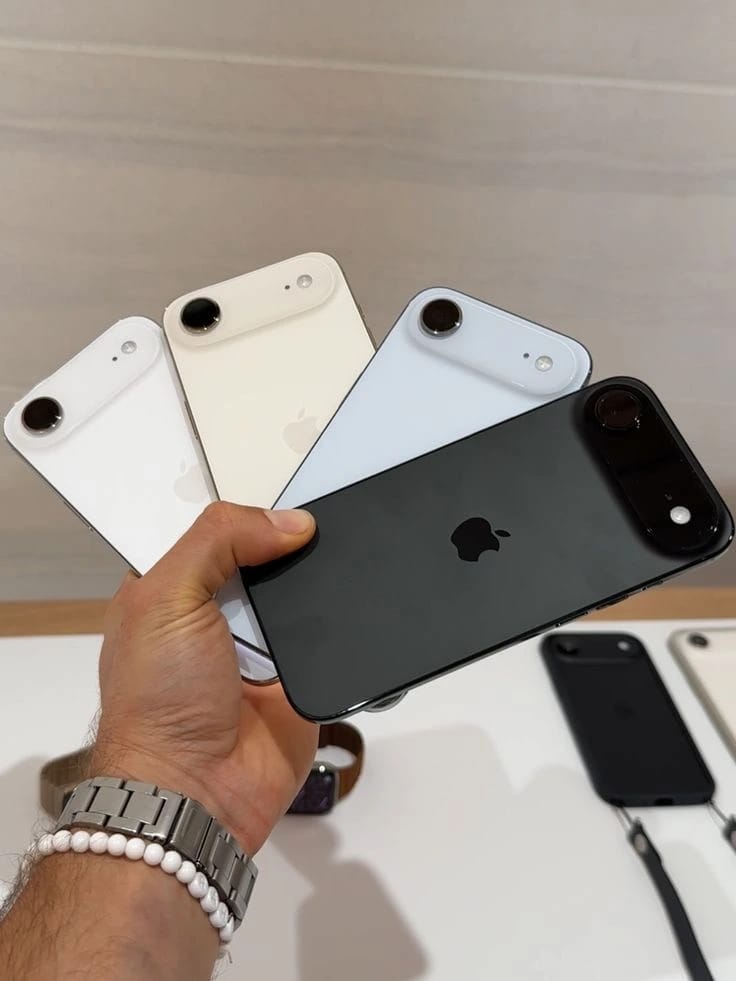
Apple designed the iPhone Air to fill the gap between the standard iPhone 17 and the Pro models. It targets users who want a large, premium display and powerful performance in an ultra-slim, lightweight form factor. At 165 grams with a titanium frame and advanced Ceramic Shield, it redefines what a flagship iPhone can feel like in hand.
Design & Build: Ultra-Thin Masterpiece
The iPhone Air measures approximately 5.6mm thick and weighs only 165g, making it incredibly comfortable for long use. It features:
- Premium titanium frame
- Ceramic Shield 2 front glass (3x better scratch resistance)
- Ceramic Shield back
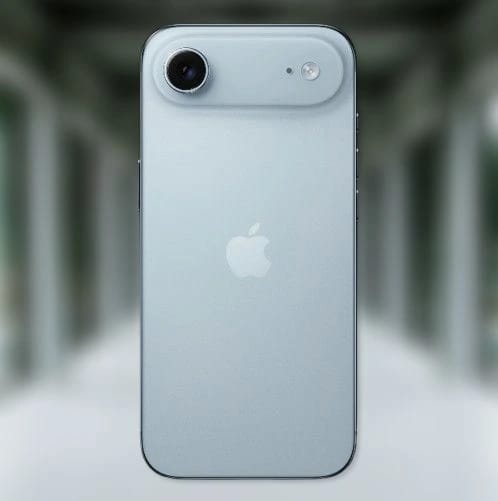
- Available colors: Space Black, Cloud White, Light Gold, Sky Blue
The slim profile makes it one of the most elegant iPhones ever, though it comes with some trade-offs in camera and battery design.
Display: Immersive 6.5-inch Super Retina XDR
- 6.5-inch Super Retina XDR OLED
- Up to 120Hz ProMotion with Always-On display
- 2736 x 1260 resolution
- Peak brightness up to 3000 nits
- Excellent color accuracy and HDR support
The large screen on such a thin body makes the Phone Air ideal for media consumption, gaming, and productivity.
Performance: Powered by A19 Pro Chip
The iPhone Air is equipped with Apple’s A19 Pro chip (slightly optimized version), 12GB RAM, and excellent thermal management for its slim body. It handles demanding tasks, Apple Intelligence features, gaming, and multitasking smoothly.
Camera System
- Rear: 48MP Fusion Main camera (with 2x optical quality)
- Front: 18MP Center Stage camera
- Supports 4K 60fps Dolby Vision video
While it lacks the ultra-wide and telephoto lenses of Pro models, the main camera delivers excellent results in most conditions.
Battery Life & Charging
Despite its thin design, the iPhone offers all-day battery life thanks to efficiency optimizations. It supports fast wired charging (around 20-25W) and MagSafe wireless charging.
iPhone Air Full Specifications Table
| Feature | Specification |
|---|---|
| Display | 6.5″ Super Retina XDR, 120Hz ProMotion |
| Thickness | 5.6mm (Thinnest iPhone Ever) |
| Weight | 165 grams |
| Processor | A19 Pro Chip |
| RAM | 12GB |
| Storage Options | 256GB / 512GB / 1TB |
| Rear Camera | 48MP Fusion Main |
| Front Camera | 18MP Center Stage |
| Battery | ~3149mAh (All-day optimized) |
| Build | Titanium Frame + Ceramic Shield 2 |
| Starting Price | $999 |
| Colors | Space Black, Cloud White, Light Gold, Sky Blue |
Pros and Cons of iPhone Air
Pros:
- Ultra-premium thin and light design
- Beautiful large 120Hz display
- Strong A19 Pro performance
- Excellent build quality and durability
- Great for one-handed use and portability
Cons:
- Single rear camera (no ultra-wide or dedicated telephoto)
- Smaller battery than Pro models
- Higher price compared to standard iPhone 17
- Limited zoom capabilities
Thermal Design Challenges of the iPhone Air
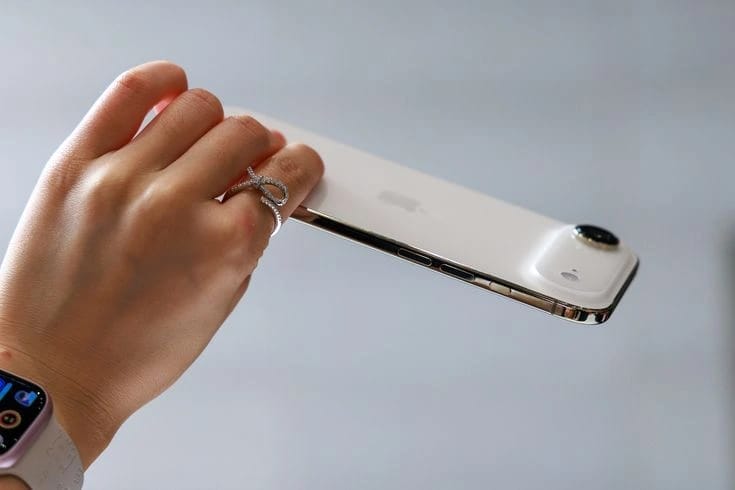
The iPhone Air uses a titanium frame (which is less thermally conductive than aluminum used in Pro models) and an extremely slim chassis. This leaves limited internal space for traditional cooling solutions. Apple did not equip it with the full vapor chamber system found in the iPhone 17 Pro series.
Key Thermal Components in iPhone Air:
- Graphite sheets and heat spreaders — Strategically placed to distribute heat across the device.
- Copper Post technology (from LG Innotek) — A miniaturized heat dissipation system that connects the logic board more efficiently and spreads thermal load.
- Thermal paste and high-conductivity materials — Used between the A19 Pro chip and chassis.
- Passive cooling only — No active fans or large vapor chamber.
- Concentrated heat zone around the camera plateau (where most processing components are located).
Real-World Thermal Performance
Everyday Use:
- Normal tasks (social media, browsing, messaging) keep the phone comfortably cool.
- Light gaming or video streaming may cause mild warmth but rarely becomes uncomfortable.
Heavy Use (Gaming, Video Editing, Benchmarking):
- The phone gets noticeably warmer, especially near the camera bump.
- Many users and reviewers report the back getting hot during sustained loads.
- Thermal throttling occurs earlier than on Pro models to prevent overheating.
- It rarely shows an overheating warning but reduces performance to manage heat.
Compared to iPhone 17 Pro Models:
- Pro models use a more advanced vapor chamber + aluminum chassis for better heat dissipation.
- They sustain higher performance longer during intensive tasks.
- The (with a 5-core GPU version of A19 Pro) throttles sooner but stays more comfortable in short bursts due to efficient power management.
Pros and Cons of iPhone Air Thermals
Pros:
- Excellent software optimizations and efficient A19 Pro chip help reduce heat generation.
- Copper Post technology improves heat spreading in a thin body.
- Quick heat dissipation after load is removed.
- Suitable for most users who don’t push the device to extremes.
Cons:
- Noticeable warmth during prolonged heavy use.
- Earlier thermal throttling compared to thicker Pro models.
- Titanium frame is strong but conducts heat less effectively than aluminum.
- Concentrated heat in the camera area can feel uncomfortable in hand.
User & Reviewer Feedback (2026)
- Many owners report no major issues for daily use.
- Tech reviewers (e.g., MKBHD-style tests) note it gets hot but never critically overheats.
- Some users in hot climates (like Karachi summers) experience more noticeable warming.
- Gaming performance remains strong for casual to medium sessions but may drop frame rates in extended high-graphics play.
Tips to Manage Heat
- Avoid direct sunlight or hot environments during heavy use.
- Use Low Power Mode for extended gaming.
- Remove thick cases during intensive tasks.
- Enable Airplane Mode or reduce brightness when gaming.
- Update to the latest iOS version for thermal optimizations.
- Take short breaks during prolonged heavy usage.
Verdict on Thermal Management
The delivers impressive thermal performance considering its ultra-thin design. Apple made smart engineering trade-offs (Copper Post, graphite layers, efficient chip tuning) to make it viable. However, it cannot match the sustained performance of thicker Pro models with full vapor chamber cooling.
Best for: Users who prioritize design, thinness, and everyday performance. Not ideal for: Hardcore gamers or professionals doing sustained heavy workloads (video editing, 3D rendering).
iPhone Air vs iPhone 17 Pro vs iPhone 17
| Model | Price (Starting) | Thickness | Camera Setup | Battery | Best For |
|---|---|---|---|---|---|
| iPhone Air | $999 | 5.6mm | Single 48MP | Good | Thin & Premium Design |
| iPhone 17 | $799 | ~7.8mm | Dual 48MP | Very Good | Best Value |
| iPhone 17 Pro | $1,099 | ~8.2mm | Triple 48MP | Excellent | Best Overall Performance |
Who Should Buy
- Users who prioritize design and thinness
- People wanting a large screen without Max size
- Those who value portability and premium feel
- Users who don’t need advanced zoom photography
Tips for Buying
Check current prices on PriceOye, Daraz, WhatMobile, and authorized Apple resellers in Karachi. Verify PTA approval for imported units and compare warranty options.
Future of iPhone Air
The iPhone Air may pave the way for future ultra-thin and foldable iPhones. Apple is expected to refine the formula in future generations.
Read More: Best Gaming Phones 2026: Top Powerful Smartphones for Gamers
Conclusion
The iPhone Air is a bold and beautiful device that successfully delivers the thinnest iPhone experience with flagship-level performance. While it makes some compromises on camera versatility and battery size, its stunning design and large display make it a compelling choice for many users in 2026.
If you love premium design and don’t rely heavily on multiple cameras, the iPhone Air is one of the most exciting iPhones Apple has released recently.
Frequently Asked Questions About iPhone Air 2026
Q1: What is the iPhone Air? The iPhone Air is Apple’s ultra-thin smartphone released in September 2025. It is the thinnest iPhone ever at just 5.6mm.
Q2: How much does the iPhone Air cost? The iPhone Air starts at $999 for the 256GB model.
Q3: Is iPhone Air better than iPhone 17 Pro? It depends. The iPhone Air wins in thinness, weight, and elegance. The Pro model is better for cameras, battery, and zoom.
Q4: Does iPhone Air have a 120Hz display? Yes. It features a 6.5-inch Super Retina XDR display with 120Hz ProMotion.
Q5: How is the battery life of iPhone Air? It offers solid all-day battery life despite the thin design, thanks to excellent optimization.
Q6: How many cameras does iPhone Air have? It has a single 48MP Fusion rear camera and an 18MP front camera.
Q7: Is iPhone Air good for gaming? Yes. The A19 Pro chip and 120Hz display make it excellent for mobile gaming.
Q8: What colors is iPhone Air available in? Space Black, Cloud White, Light Gold, and Sky Blue.
Q9: Should I buy iPhone Air or iPhone 17 Pro? Choose iPhone Air for design and thinness. Choose Pro for better cameras and battery.
Q10: Is iPhone Air worth buying in 2026? Yes, especially if you value a premium, lightweight experience and don’t need advanced zoom photography.
Q11: Where can I buy iPhone Air in Pakistan? Available on PriceOye, Daraz, official Apple partners, and authorized dealers.
Q12: Does iPhone Air support Apple Intelligence? Yes, it fully supports all Apple Intelligence features.
Q13: How durable is iPhone Air? Very durable thanks to titanium frame and Ceramic Shield 2 glass.
Q14: What is the biggest drawback of iPhone Air? The single rear camera system and relatively smaller battery compared to Pro models.
Q15: Will there be an iPhone Air 2 in 2026? Apple is expected to continue and improve the Air lineup in future years.