
Introduction: Setting the Stage for Apple Vision Pro 2 vs Meta Quest 4
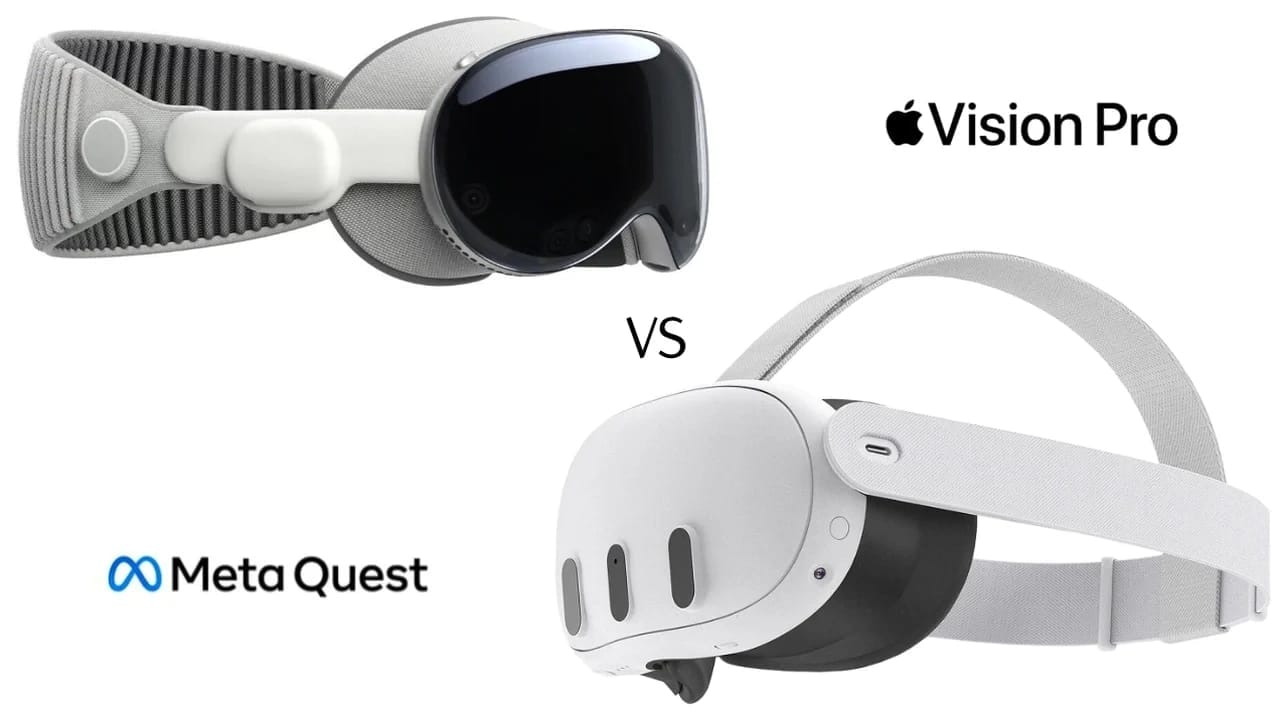
In the fast-evolving world of extended reality (XR), the Apple Vision Pro 2 vs Meta Quest 4 debate captures the imagination of tech enthusiasts across the USA. Apple’s premium spatial computer (the refreshed M5 model often called Vision Pro 2) represents the high-end of mixed reality, while Meta’s upcoming Quest 4 aims to deliver advanced VR/MR to the masses.
As of mid-2026, the Apple Vision Pro with M5 chip is available now, while the Meta Quest 4 remains in the rumor stage with an expected late 2026 or 2027 launch. This comprehensive guide breaks down everything you need to know—design, performance, displays, software, pricing, use cases, and more—to help US consumers make an informed decision.
View other electronic products like a Iphone 17 pro max ,samsung Galaxy S25 ultra and other products
Whether you’re a professional seeking productivity tools, a gamer chasing immersion, or a movie lover wanting cinematic experiences, this Apple Vision Pro 2 vs Meta Quest 4 analysis covers it all. We’ll use real-world data, expert insights, and comparison tables for clarity.
History and Current Status
Apple launched the original Vision Pro in early 2024 at $3,499. In October 2025, Apple released a significant refresh: the M5-powered model with improved comfort and performance, still priced at $3,499. Many refer to this as the Apple Vision Pro 2 or M5 Vision Pro.
Meta’s Quest line has been more iterative and affordable. The Quest 3 (2023) brought color passthrough mixed reality, followed by the budget Quest 3S. The true next-generation Meta Quest 4 is anticipated for late 2026 or beyond, with major leaps in design and hardware.
This timing difference is crucial in any Apple Vision Pro 2 vs Meta Quest 4 discussion: one is buyable today, the other is a future bet.
Design and Comfort
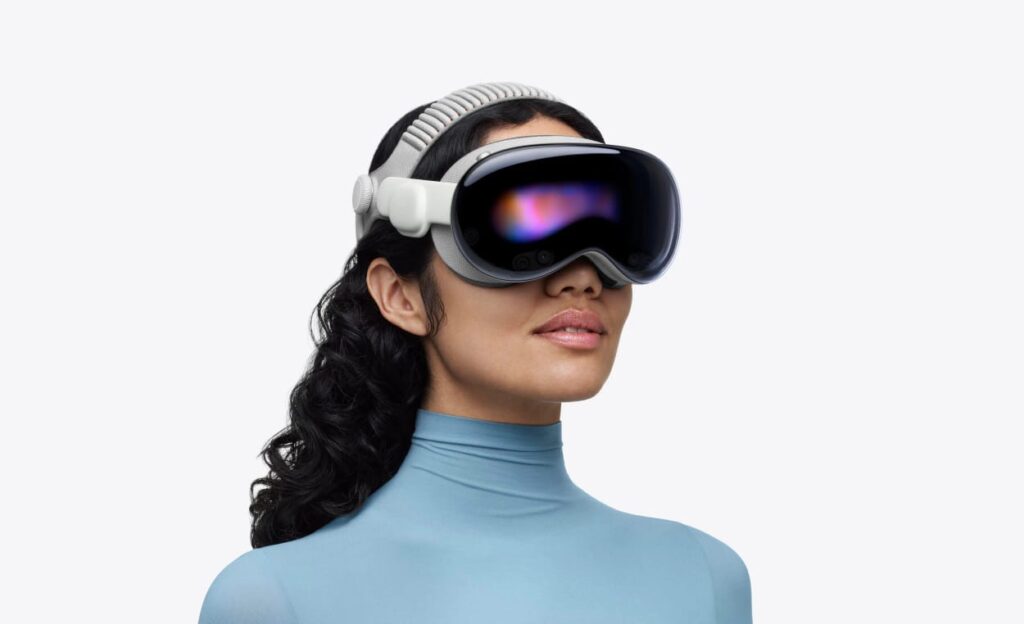
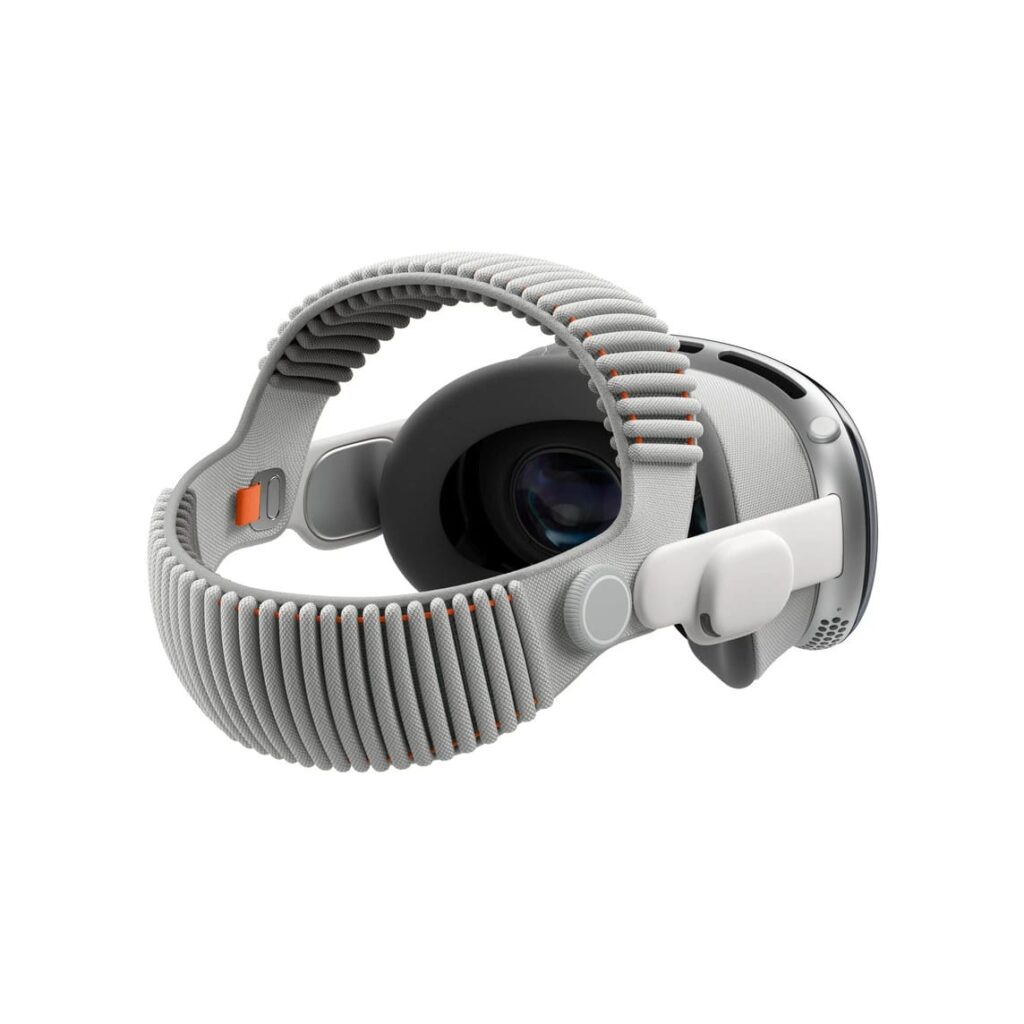
Apple Vision Pro 2 (M5): The design remains premium with a glass front, aluminum frame, and EyeSight display showing your eyes to others. The biggest upgrade is the Dual Knit Band, which significantly reduces neck strain and improves long-session comfort compared to the original. Weight is still around 600-650g, front-heavy but better balanced now. It offers multiple fit options and prescription lens inserts.
Meta Quest 4 Rumors: Expect a much thinner, lighter design (potentially under 500g) with a separate external “puck” for processing and battery. This modular approach could revolutionize comfort for extended wear. Rumors suggest eye and face tracking standard, and possibly no included controllers in some models for a sleeker experience.
Winner in Apple Vision Pro 2 vs Meta Quest 4: Apple leads today with refined luxury; Meta promises better ergonomics tomorrow.
Displays and Visual Quality
This is one of the most dramatic areas in Apple Vision Pro 2 vs Meta Quest 4.
Apple Vision Pro 2: Dual micro-OLED displays with ~23 million pixels total (about 4K per eye equivalent), up to 120Hz refresh rate, exceptional pixel density (~3386 ppi in some metrics), and superior color/contrast. It excels in text clarity for productivity and immersive video.
Meta Quest 3 (Current Benchmark): LCD panels at 2064×2208 per eye, good but not premium.
Meta Quest 4 Expectations: Rumors point to 4K micro-OLED or high-PPD panels, a big step up from Quest 3, but likely not matching Apple’s density or EyeSight feature. Wider field of view (FOV) is a Meta strength.
| Feature | Apple Vision Pro 2 (M5) | Meta Quest 3 (Current) | Meta Quest 4 (Rumored) |
|---|---|---|---|
| Display Type | Dual micro-OLED | LCD | micro-OLED (expected) |
| Resolution (approx.) | 23M pixels total | ~4K combined | 4K+ per eye |
| Refresh Rate | Up to 120Hz | 90-120Hz | 120Hz+ |
| Pixel Density | Extremely high | Good | Significantly improved |
| Passthrough | High-quality color | Color | Higher-res color |
Apple dominates visuals in the current Apple Vision Pro 2 vs Meta Quest 4 landscape.
Performance and Hardware
Apple Vision Pro 2: Powered by the M5 chip (10-core CPU, 10-core GPU, 16-core Neural Engine) plus R1 co-processor. It delivers snappy performance, better AI tasks, faster app loading, and improved ray tracing. Battery life reaches up to 2.5 hours general use or 3 hours video. 16GB unified memory.
Meta Quest 3: Snapdragon XR2 Gen 2 – capable for standalone VR but shows limits in demanding MR.
Meta Quest 4 Rumors: Likely Snapdragon XR2 Gen 3 or XR3 with major GPU gains (3-4x in some reports), more RAM, and efficient design thanks to the external puck.
In Apple Vision Pro 2 vs Meta Quest 4, Apple wins on raw power and integration today; Meta could close the gap with next-gen silicon optimized for XR.
Software, Ecosystem, and Features
Apple Vision Pro 2: Runs visionOS with deep Apple ecosystem integration (Mac Virtual Display, spatial photos/videos, Apple Intelligence). Eye + hand tracking is intuitive. Strong for productivity, media consumption, and limited gaming. Over 1 million compatible apps, but native visionOS library is smaller.
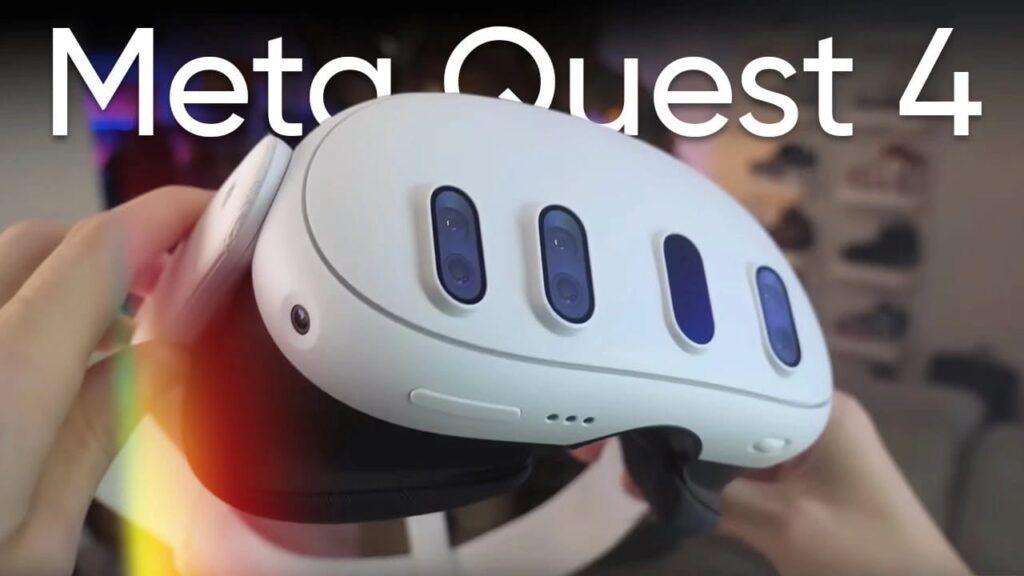
Meta Quest Series: Horizon OS (Android-based) with a massive library of VR games, social experiences (Horizon Worlds), and PCVR support via Link/Air Link. Excellent hand tracking and controllers. Quest 4 is expected to add eye/face tracking and enhanced MR.
Key Comparison Table for Features:
| Category | Apple Vision Pro 2 | Meta Quest 4 (Expected) |
|---|---|---|
| Input | Eye + Hand tracking (no controllers needed) | Eye/face tracking + controllers |
| Ecosystem | Apple (Mac, iPhone, etc.) | Meta + Android/PCVR |
| Content Library | Growing spatial apps + Apple TV | Thousands of VR games + social |
| Productivity | Excellent Mac integration | Good with virtual desktops |
| Gaming | Passable (Apple Arcade spatial) | Superior standalone + PC |
| AI Features | Apple Intelligence integration | Meta AI advancements |
Meta leads in entertainment and social; Apple in polished productivity.
Price and Value
Apple Vision Pro 2: Starts at $3,499 (256GB), with higher configs up to $3,899+. Accessories add cost (lenses, etc.).
Meta Quest 3: $499. Quest 3S around $299-350.
Meta Quest 4 Rumors: Potentially $700-800+, a premium jump but still far below Apple.
In the Apple Vision Pro 2 vs Meta Quest 4 value equation, Meta offers far better accessibility. Apple is a luxury investment.
Use Cases: Who Should Choose What?
Best for Professionals & Productivity: Apple Vision Pro 2 – unmatched spatial workspace, Mac mirroring, and clarity for reading/code. Ideal for developers, designers, executives in the US who value ecosystem seamlessness.
Best for Gamers & Entertainment: Meta (Quest 3 now, Quest 4 later) – vast library, better motion with controllers, social VR. Perfect for families and casual users.
Movie & Media Lovers: Apple edges out with superior displays and immersion, but Meta is more affordable for big-screen experiences.
Budget Buyers: Meta wins hands-down.
Early Adopters vs Waiters: Buy Apple Vision Pro 2 now for immediate premium experience. Wait for Quest 4 if you want lighter design and value.
Pros and Cons Summary
Apple Vision Pro 2 Pros: Best-in-class displays, comfort improvements, powerful M5, premium build, seamless Apple integration. Cons: Very expensive, limited native apps, battery life still constrained, heavy for some.
Meta Quest 4 Pros (Projected): Affordable (relatively), huge content ecosystem, innovative lightweight design, strong gaming/MR. Cons: Not available yet, potentially higher price than predecessors, may not match Apple’s polish.
Future Outlook in Apple Vision Pro 2 vs Meta Quest 4
Apple is reportedly focusing on lighter AR glasses for 2027+, while iterating on Vision Pro. Meta is pushing hard on lighter form factors and AI integration, with Quest 4 potentially redefining accessible XR.
By 2027-2028, the competition will intensify with cheaper Apple options and mature Quest 4 hardware/software.
Final Verdict: Who Wins Apple Vision Pro 2 vs Meta Quest 4?
There is no single winner—it depends on your needs and budget.
- Choose Apple Vision Pro 2 if you want the absolute best spatial computing experience money can buy today, prioritize display quality and productivity, and are deeply in the Apple ecosystem. It’s a flagship product that feels like the future.
- Choose Meta Quest (3 now or 4 later) if you want fun, gaming, social experiences, and incredible value. For most US consumers, Meta delivers 80-90% of the experience at a fraction of the cost.
The Apple Vision Pro 2 vs Meta Quest 4 highlights the split in XR: luxury precision vs accessible innovation. Test both in-store (Apple demos, Best Buy for Meta) before deciding. As technology advances rapidly in 2026 and beyond, both paths lead to exciting immersive futures.