

Introduction to Web Hosting
In today’s digital world, having a strong online presence is essential for businesses, bloggers, e-commerce stores, and personal brands. At the heart of every successful web hosting lies reliable hosting. Without a quality hosting service, even the most beautifully designed site can fail to load properly, lose visitors, or suffer from frequent downtime.
Web hosting is the service that stores your website’s files, databases, images, and content on powerful servers, making them accessible to users worldwide through the internet. Think of it as the foundation of your digital home — if the foundation is weak, the entire structure suffers.
Whether you are launching your first blog or scaling a high-traffic online store, choosing the right provider can make or break your online success. In this comprehensive 2026 guide, we will cover everything you need to know — from basic concepts to advanced comparisons, pricing, features, and expert recommendations.
By the end of this article, you will have clear, actionable insights to select the best solution that matches your budget, technical needs, and growth goals.
What is Web Hosting? A Beginner-Friendly Explanation
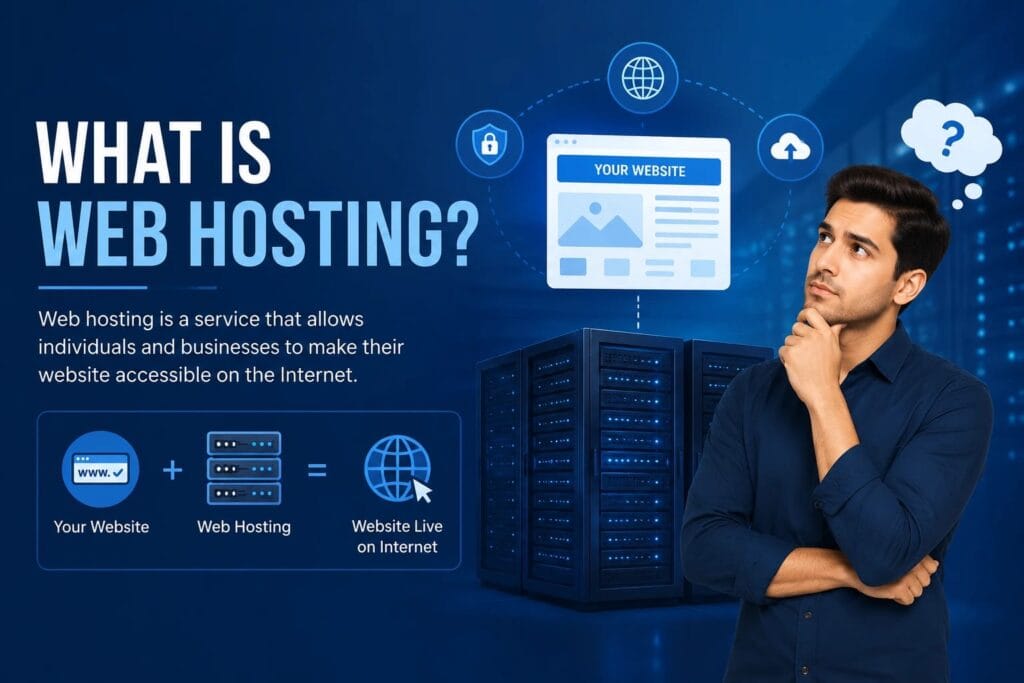
Web hosting refers to renting space on a server to store all the files and data that make up your website. When someone types your domain name (e.g., yourwebsite.com) into their browser, the server instantly delivers those files, allowing the site to load.
Without web hosting, your website files would simply remain on your personal computer, invisible to the world. Good providers offer not only storage but also security, speed optimization, backups, email services, and technical support.
Key Components Include
- Servers — Powerful computers that run 24/7.
- Bandwidth — Amount of data transferred to visitors.
- Storage — Space for files, images, videos, and databases.
- Uptime — Percentage of time your site remains online (aim for 99.9%+).
- Support — Assistance when technical issues arise.
In 2026, modern web hosting has evolved significantly with faster technologies like LiteSpeed servers, AI-powered tools, global CDNs, and advanced security features.
Why Reliable Hosting Matters in 2026
Poor-quality services can lead to slow loading times, which frustrates users and negatively affects SEO rankings. Google prioritizes fast, secure, and mobile-friendly websites. A reliable provider directly impacts:
- User Experience — Faster sites reduce bounce rates.
- Search Engine Rankings — Speed and uptime are ranking factors.
- Security — Protection against hackers and malware.
- Scalability — Easy upgrades as traffic grows.
- Business Revenue — Downtime can result in lost sales.
Investing in a dependable provider is one of the smartest decisions for long-term online success.
Types of Hosting Explained
Understanding different web hosting types is crucial before making a purchase. Here’s a detailed breakdown:
1. Shared Hosting
Shared web hosting is the most popular and affordable option. Multiple websites share the same server resources.
Pros
- Very affordable (often $2–$5/month).
- Easy to use with one-click installs.
- Ideal for beginners, blogs, and small websites.
Cons
- Limited resources.
- Performance may slow during traffic spikes.
Best for: New websites with under 10,000 monthly visitors.
2. VPS (Virtual Private Server) Hosting
VPS plans provide a dedicated portion of a physical server with isolated resources.
Pros
- Better performance and customization.
- Root access for advanced users.
- More stable than shared plans.
Cons
- More expensive ($10–$60/month).
- Requires some technical knowledge.
Best for: Growing websites, developers, and small businesses.
3. Dedicated Server web Hosting
With dedicated servers, you rent an entire physical machine.
Pros
- Maximum control and performance.
- Handles very high traffic.
Cons
- Expensive ($80–$500+/month).
- Requires server management skills.
Best for: Large e-commerce stores and enterprises.
4. Cloud Hosting
Cloud-based solutions use a network of connected servers.
Pros
- Highly scalable.
- Excellent uptime and redundancy.
- Flexible pay-as-you-go pricing.
Best for: Websites with fluctuating traffic.
5. Managed WordPress Hosting
This option is optimized specifically for WordPress websites with automatic updates, enhanced security, and staging environments.
Popular among bloggers, agencies, and content creators.
6. Other Hosting Types
- Reseller web Hosting
- Windows vs Linux web Hosting
- Colocation Services
Choosing the right solution depends on your current requirements and future growth plans.
How to Choose the Best web Hosting Service in 2026

Selecting the perfect provider requires evaluating several factors:
- Performance & Speed — SSD storage, LiteSpeed/Nginx, CDN integration, low TTFB.
- Uptime Guarantee — Minimum 99.9%.
- Pricing & Renewal Rates — Compare long-term costs carefully.
- Customer Support — 24/7 live chat, tickets, and phone support.
- Security Features — SSL, malware scanning, DDoS protection, backups.
- Ease of Use — User-friendly control panels.
- Scalability — Easy upgrades to higher plans.
- Money-Back Guarantee — At least 30 days.
- Server Locations — Closer servers improve loading speed.
- WordPress Compatibility — One-click setup and optimization.
Always check recent reviews and test performance where possible.
Top 7 Best Hosting Providers in 2026
1. Hostinger — Best Overall Value
Hostinger consistently ranks among the top providers in 2026 because of its balance of affordability, speed, and features.
Key Highlights
- Starting price around $2.69–$3.49/month.
- LiteSpeed servers and AI tools.
- Excellent loading speeds.
- User-friendly hPanel.
- Free domain, SSL, and CDN on higher plans.
Best for: Beginners, bloggers, and small businesses.
2. SiteGround — Premium Performance
SiteGround is known for speed, reliability, and WordPress optimization.
Key Highlights
- Excellent customer support.
- Google Cloud infrastructure.
- Advanced caching and security.
- Premium-level performance.
Best for: Users seeking managed solutions.
3. Bluehost — Beginner-Friendly Option
An officially recommended WordPress provider.
Key Highlights
- Simple WordPress setup.
- Beginner-friendly dashboard.
- Reliable uptime.
Best for: First-time website owners.
4. InterServer — Best Fixed Pricing
InterServer offers transparent pricing with no surprise renewal increases.
Key Highlights
- Strong performance.
- Flexible monthly billing.
5. GreenGeeks — Eco-Friendly Provider
Environmentally friendly services with reliable performance.
6. HostArmada & DreamHost
Both offer strong value, solid speeds, and excellent support.
7. IONOS — Budget-Friendly Choice
Affordable plans with useful beginner features.
Hosting Pricing Comparison 2026
Pricing varies significantly between providers.
Typical Shared Plan Costs
- Entry-level: $2–$5/month
- Renewal pricing: $8–$15/month
- Premium tiers: $15–$30/month
VPS and dedicated solutions cost more depending on resources and management.
Essential Features to Look For
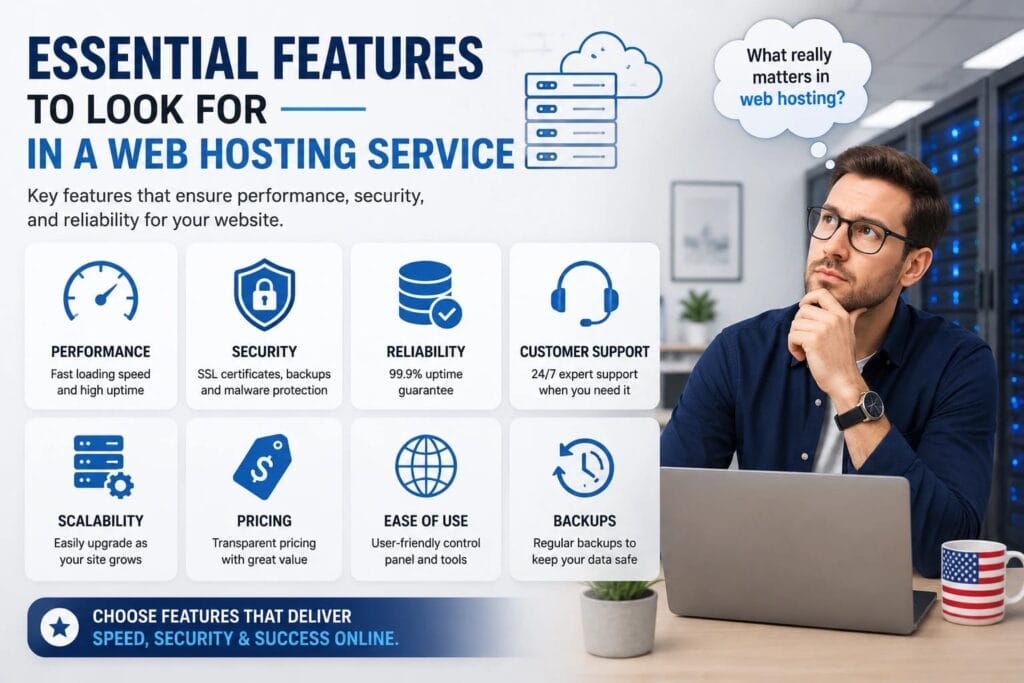
Modern providers should include:
- Free SSL Certificate
- Daily or Weekly Backups
- CDN Integration
- Email Accounts
- One-Click Installers
- Malware Protection
- Staging Environment
- Resource Monitoring
Common Mistakes to Avoid
- Choosing based only on price.
- Ignoring renewal rates.
- Overlooking support quality.
- Failing to plan for growth.
- Skipping security features.
How to Migrate Your Website
Migrating to a new provider usually involves:
- Backing up website files.
- Exporting databases.
- Uploading files to the new server.
- Updating DNS settings.
- Testing the site before going live.
Many companies now offer free migration services.
Hosting for Specific Needs
E-commerce Websites
Require strong security, backups, and speed optimization.
WordPress Blogs
Managed WordPress plans are recommended.
High-Traffic Websites
Cloud or VPS solutions work best.
Portfolio or Personal Websites
Shared plans are usually sufficient.
Future Trends in 2026 and Beyond
The industry continues evolving with:
- AI-powered optimization
- Green energy data centers
- Edge computing
- Improved automation
- Advanced cybersecurity systems
Read More: OnePlus 15: Complete Review, Specs, Features & Everything You Need to Know in 2026
FAQs
Q1: What is the best option for beginners in 2026?
Hostinger and Bluehost are excellent beginner-friendly choices.
Q2: How much does good hosting cost?
Most users spend between $3–$15/month.
Q3: Can I switch providers later?
Yes, most companies offer migration assistance.
Q4: Is free hosting recommended?
Free services usually come with limitations and ads, making them unsuitable for serious projects.
Q5: Does hosting include a domain name?
Many providers include a free domain for the first year.
Conclusion
Choosing the right hosting service is a critical step in building a successful online presence. In 2026, Hostinger stands out as one of the best overall choices due to its affordability, performance, and features. However, the ideal provider depends on your specific goals and website requirements.
Start with a reliable shared plan, prioritize speed and support, and upgrade as your traffic grows. A dependable hosting solution will help your website perform better, stay secure, and grow smoothly over time.